Mastering Grilled Elk Sliders: A Troubleshooting Guide
Elk is a lean game meat that requires precise handling to maintain moisture. Learn how to manage heat, seasoning, and texture to ensure your sliders remain juicy regardless of the complexity of your chosen recipe variant.

Elk is a lean game meat that requires precise handling to maintain moisture. Learn how to manage heat, seasoning, and texture to ensure your sliders remain juicy regardless of the complexity of your chosen recipe variant.
How this Kitchen Note was made
The first draft uses generative tools constrained to the linked Mealovate recipe. Mealovate’s editorial pipeline then checks recipe fidelity, usefulness, duplication, and complete imagery before publication.
Elk is a prized protein for its deep, savory flavor, but its naturally low fat content presents a specific challenge for the home cook. Unlike beef, which often contains enough intramuscular fat to forgive minor errors in timing or heat, elk can quickly become dry if mishandled.
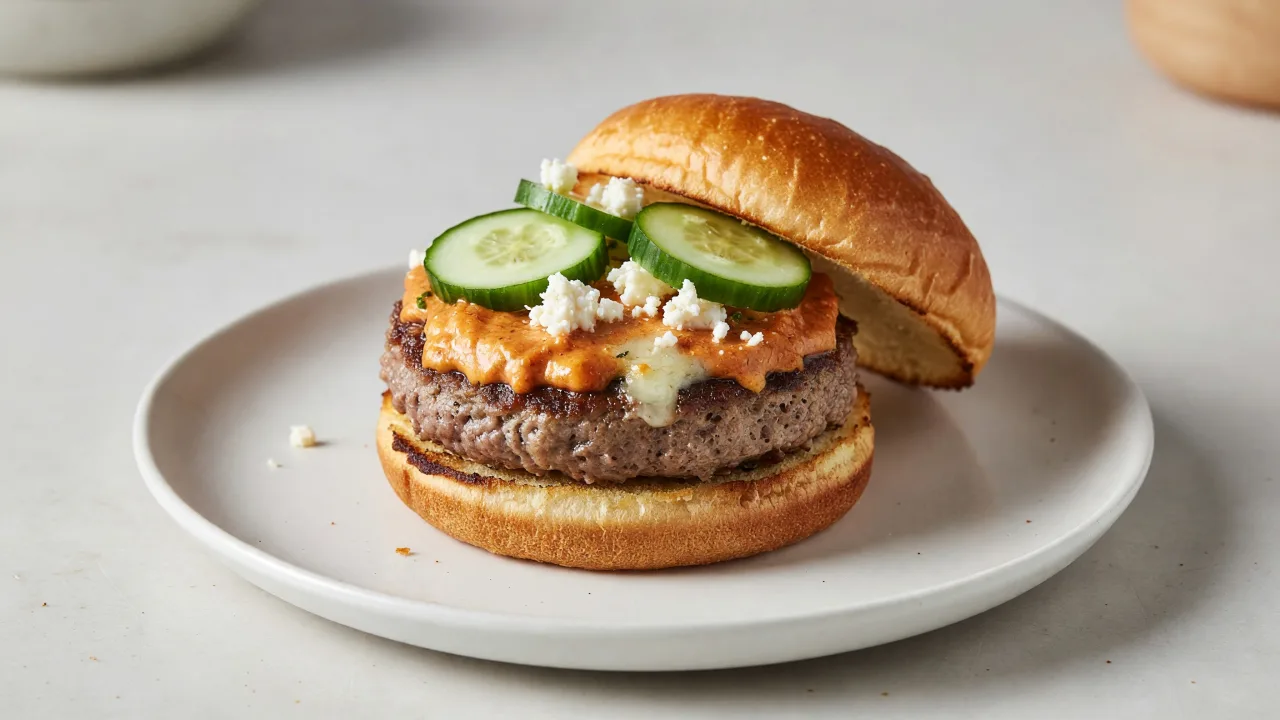
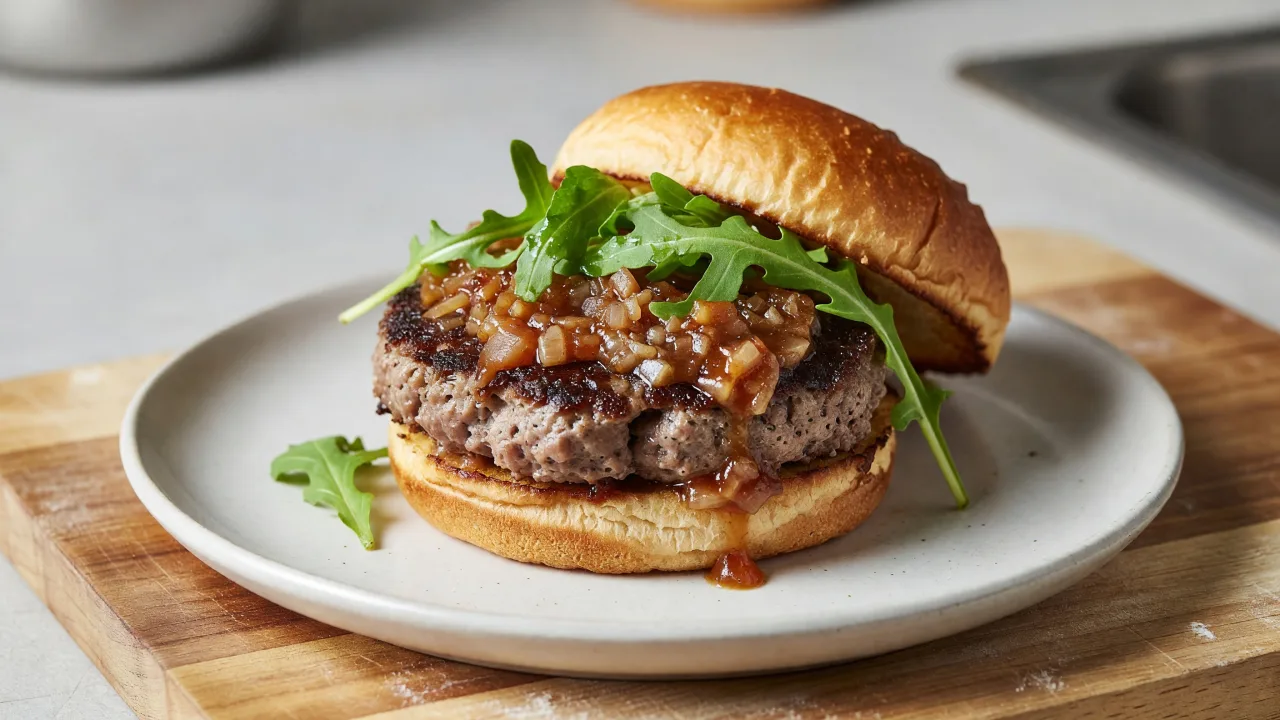
Whether you are preparing the standard version with a tangy sauce, the upgraded version featuring caramelized onions, or the elevated version utilizing duck fat and truffle oil, the fundamental goal remains the same: achieving a tender, succulent patty. This guide addresses the common pitfalls associated with texture, seasoning, and temperature control to help you produce a consistent result.
Managing Texture and Moisture
The most common mistake when working with ground elk is overworking the meat. Because elk lacks the high fat content of domestic beef, the protein structure is more sensitive to mechanical agitation. When mixing your seasonings into the ground meat, use a light touch.
The goal is to distribute the spices and binders evenly without compressing the fibers into a dense mass. Overmixing leads to a rubbery, tough texture once the patty hits the heat. If you are using the elevated recipe, the addition of duck fat helps compensate for the lack of natural fat, but it still requires gentle handling to maintain the desired crumb.
- Mix ingredients until just combined; stop as soon as the spices are distributed.
- Form patties with minimal pressure to keep the internal structure airy.
- Incorporate fats like duck fat only after the meat is partially broken down to ensure even distribution.
Precision in Heat and Timing
Elk patties cook rapidly due to their lean profile. The standard, upgraded, and elevated recipes all call for a medium-high grill heat and a cooking time of three to four minutes per side. It is critical to monitor the internal temperature closely, aiming for 160°F (71°C) to ensure the meat is cooked through.
Because the patties are small, they can transition from perfectly cooked to overcooked in less than sixty seconds. Avoid the temptation to press down on the patties with a spatula, as this forces out the precious juices and results in a dry slider.
- Use an instant-read thermometer to verify the 160°F internal temperature.
- Avoid pressing the patties with a spatula to prevent moisture loss.
- Keep the grill lid closed to maintain consistent ambient heat and reduce cooking time fluctuations.
Balancing Seasoning and Acidity
Seasoning elk requires a balance between enhancing its natural gamey notes and providing enough acidity to cut through the density of the meat. In the standard recipe, Worcestershire sauce and mustard provide this balance. In the upgraded version, balsamic vinegar added to the caramelized onions serves a similar purpose.
When using ingredients like fig jam in the elevated version, ensure you do not over-salt the patty itself. Since fig jam is concentrated in sugar and flavor, it can easily overwhelm the palate if the base seasoning is too aggressive. Always taste your sauces separately before assembly to ensure the acidity is balanced.
- Adjust salt levels based on the intensity of your chosen toppings.
- Add acidic elements like balsamic vinegar or lemon juice at the end of the cooking process for maximum brightness.
- Ensure dry spices like garlic powder and smoked paprika are thoroughly mixed to avoid concentrated pockets of flavor.
Selecting the Right Bun and Toppings
The choice of bun is not merely aesthetic; it serves as the structural foundation for your slider. A standard slider bun is light and airy, suitable for the classic recipe. However, the upgraded version uses brioche, which has a higher fat content and a richer crumb, and the elevated version uses pretzel buns, which are denser and chewier.
Always toast your buns lightly before assembly. This creates a moisture barrier that prevents the sauce or juices from the patty from making the bread soggy. If you are adding arugula or other greens, place them between the patty and the bun to keep them crisp.
- Toast buns until golden to prevent sogginess from sauces.
- Match the density of the bun to the intensity of the toppings.
- Place fresh greens like arugula on top of the patty just before serving to prevent wilting.
By focusing on gentle handling, precise temperature monitoring, and thoughtful ingredient layering, you can elevate your elk sliders from a simple casual meal to a refined dining experience. Remember that the quality of your result depends more on your attention to these fundamental techniques than on the complexity of the recipe variant you choose.
Cook the recipe
This note is grounded in Mealovate's three-level version of Grilled Elk Sliders.