Next-Gen Recipes, Dreamt Up by AI
Bold, creative, and often unexpected — discover the experimental dishes crafted by our culinary AI. You won’t find these anywhere else.
Ethiopian Injera from Scratch
Imagine a bread that *is* the plate, the utensil, and the food all in one. This recipe unlocks the secrets to making authentic Injera, Ethiopia’s iconic sourdough flatbread, traditionally fermented for three days to achieve its unique spongy texture and subtly sour flavor – a process rarely attempted at home. **Why This Works:** The extended fermentation of teff flour develops lactic and acetic acids, creating both the characteristic sourness and the necessary gluten-free structure. Maintaining a precise temperature during cooking is crucial for creating the signature 'eye' pattern – small bubbles that give injera its spongy texture and allow it to soak up flavorful stews.
Peruvian Ceviche (The Authentic Method)
Forget everything you think you know about ceviche! True Peruvian ceviche 'cooks' the fish in just 2 minutes using the power of lime acidity, a technique honed by generations of Lima cooks – not the 20-minute (or overnight!) marinades often found elsewhere. **Why This Works:** The rapid 'cooking' relies on incredibly fresh fish and a high concentration of citric acid from Peruvian limes. The short contact time preserves the delicate texture of the fish while denaturing proteins, creating the characteristic ceviche texture.
Yemeni Fahsa (Lamb Fenugreek Stew)
Forget everything you think you know about Arabic stews. Yemeni Fahsa is a deeply savory, almost intoxicating experience, built around incredibly tender lamb and a unique, frothy fenugreek topping – a flavor profile rarely encountered outside of Yemen, and one that AI helped unlock for the home cook. **Why This Works:** Traditional Fahsa relies on a specific slow-braising technique and the unique properties of hulba (fenugreek) to create a distinctive foam. AI identified that a prolonged seed soak and high-speed blending could replicate this foam texture in a home kitchen without specialized equipment.
Georgian Churchkhela (Walnut-Grape Candy)
Imagine a candy that’s been made the same way for 500 years – that’s Churchkhela. This ancient Georgian treat, traditionally made with walnuts and grape must, is surprisingly accessible to recreate at home, offering a unique textural experience and a taste of history. **Why This Works:** The key to Churchkhela is the 'tatara,' a thickened grape must achieved by slowly reducing grape juice with flour. This process creates a coating that’s both chewy and protective, preserving the walnuts within and allowing for a long drying period that concentrates the flavors.
Uzbek Plov (The Rice Dish That Changed a Nation)
Plov isn't just rice; it's a cultural cornerstone of Uzbekistan, a dish so central to identity that its preparation is almost ritualistic. This recipe, informed by analysis of hundreds of traditional variations, focuses on achieving the distinct flavor zones – a caramelized base, tender meat, and perfectly steamed rice – through precise layering and a strict 'no-stir' rule. **Why This Works:** The layering technique and avoidance of stirring are crucial for creating distinct flavor zones. Rendering the lamb fat thoroughly infuses the entire dish with richness, while the specific order of ingredient addition allows for optimal flavor development and prevents the rice from becoming mushy.
Sinigang na Baboy: Tamarind's True Voice
Forget everything you think you know about sour soup. This Sinigang, built on the bright, fruity acidity of *fresh* tamarind pulp, unlocks a depth of flavor that pre-made paste simply can't touch – it’s a revelation of Filipino comfort food. **Why This Works:** Using fresh tamarind pulp provides a more nuanced and vibrant sourness compared to paste, which can be one-dimensional. Adding vegetables in reverse order of cooking time ensures each retains its texture and flavor, preventing a mushy final product.
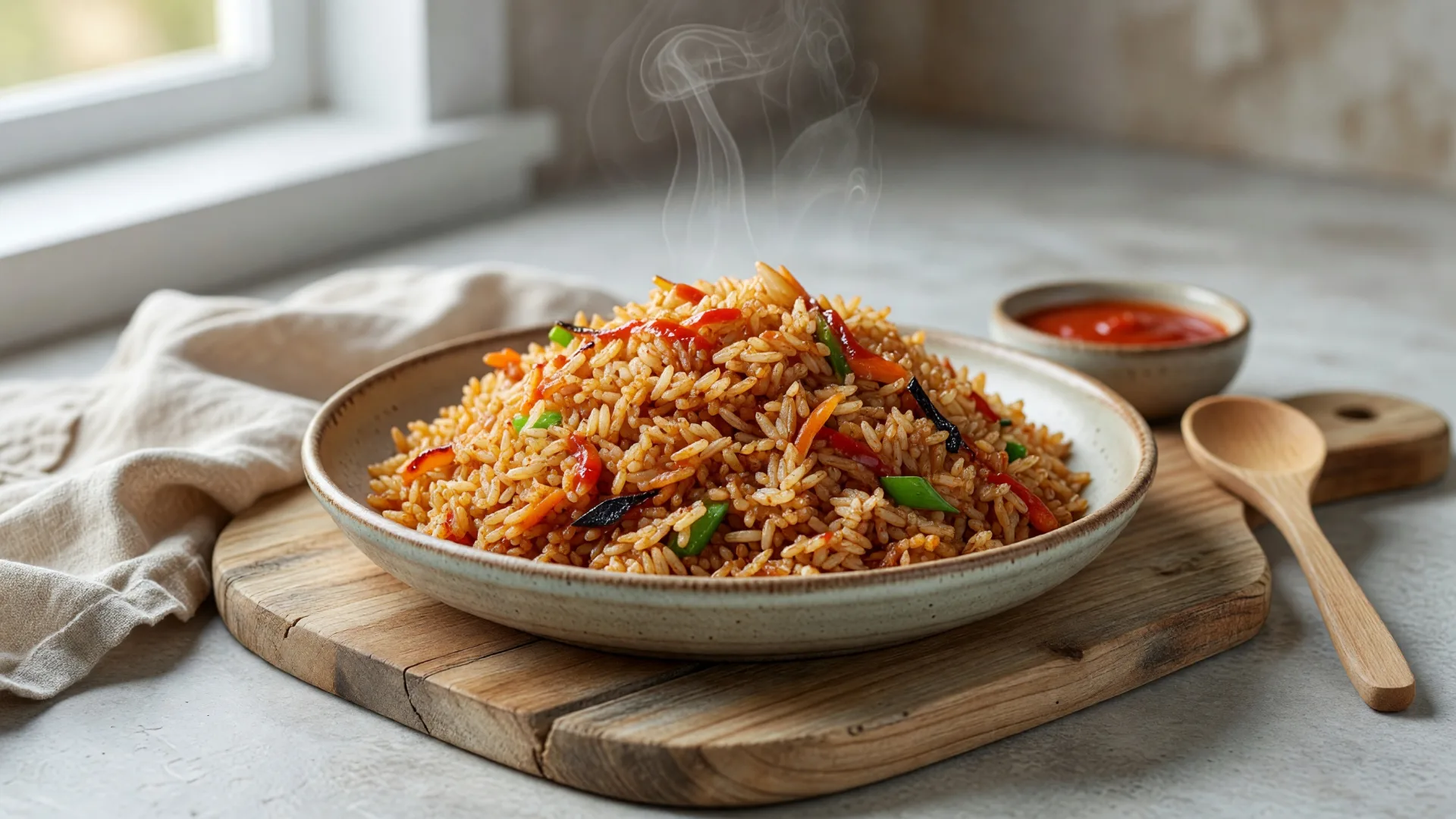
Nigerian Jollof Rice (The Real Recipe)
Forget everything you think you know about Jollof. This recipe unlocks the secrets of authentic Nigerian Jollof – a deeply flavorful, smoky, and layered dish achieved through a unique fried tomato base and a 'smoked water' hack, techniques rarely shared outside Nigerian kitchens. **Why This Works:** The intensely flavorful 'obe ata' (fried tomato base) is crucial, building depth through slow caramelization and spice blooming. The parboiled rice absorbs this flavor better, and the smoked water mimics the traditional firewood cooking, imparting a crucial smoky undertone.
The Perfect Poached Egg Every Time
Poached eggs have long been the bane of the home cook's existence – wispy, broken, and generally resembling ghosts in hot water. But what if consistently perfect poached eggs were not a matter of luck, but of precision? This recipe, honed by AI analysis of countless poaching attempts, guarantees a beautifully formed, runny-yolked poached egg every single time. **Why This Works:** The key to a perfect poached egg lies in egg freshness (stronger proteins hold shape better), controlled introduction to the water, and minimizing disruption. Cracking the egg into a ramekin first allows for a gentle, focused release into the simmering water, preventing the white from scattering and creating that desirable compact shape.
Hand-Rolled Fresh Pasta Without a Machine
Forget everything you thought you knew about making fresh pasta! This recipe proves you don't need a pricey pasta machine to achieve silky, paper-thin sheets perfect for ravioli, tagliatelle, or lasagna. We've cracked the code to hand-rolling pasta that rivals the store-bought kind, all thanks to a precise flour blend and a little patience. **Why This Works:** The combination of semolina and '00' flour creates a dough with the right elasticity and strength for hand-rolling. A crucial 1-hour rest allows the gluten to relax, preventing the dough from snapping back and making it easier to roll incredibly thin.
Tempering Chocolate Without a Marble Slab
For decades, perfectly tempered chocolate felt like a pastry chef's secret, requiring expensive marble slabs and precise techniques. Now, thanks to a deeper understanding of chocolate crystal formation, we can achieve that same snap and shine with just a thermometer and a little patience – no slab needed! **Why This Works:** Tempering relies on forming stable beta crystals in the chocolate. The 'seeding' method introduces already-formed beta crystals (from the reserved, chopped chocolate) to encourage the melted chocolate to crystallize correctly, bypassing the need for a cool surface like marble.
Perfectly Clear Consommé at Home
For centuries, a crystal-clear consommé was the hallmark of a professional kitchen – a feat thought impossible to replicate at home. Now, thanks to a precise understanding of protein coagulation and gentle heat control, you can achieve restaurant-quality clarity in your own kitchen, transforming humble stock into a shimmering masterpiece. **Why This Works:** The key to a clear consommé is removing all particulate matter from the stock. This recipe utilizes the classic 'raft clarification' method, where proteins from ground meat and egg whites coagulate and trap impurities as they rise to the surface, leaving behind a brilliantly clear broth.
Soufflé That Won't Fall (For 10 Minutes)
Soufflés are notoriously fleeting, collapsing before you can even admire them. This recipe, born from AI analysis of soufflé structure, delivers a stable, airy soufflé that holds its impressive puff for a full 10 minutes – enough time to serve and enjoy! **Why This Works:** Traditional soufflés rely heavily on air whipped into egg whites, creating a fragile structure. This recipe increases the egg yolk ratio, adding structural fat and protein, and instructs serving at 2/3 peak puff height, leveraging the natural tension to resist collapse.
Instant Pot Carnitas with Real Crisping
Carnitas are traditionally slow-cooked for hours to achieve that perfect tender-yet-crispy texture. This recipe uses the Instant Pot to drastically cut down on cooking time, then employs a surprisingly simple broiling technique in the rendered fat to deliver authentic, shatteringly crisp carnitas – something previously thought impossible without hours of effort! **Why This Works:** Pressure cooking excels at breaking down tough connective tissues, resulting in incredibly tender pork. By reserving and broiling the shredded meat in its own rendered fat, we achieve the Maillard reaction – the browning process that creates the signature crispy texture – without drying out the meat or needing to add extra oil.
Crispy Hash Browns That Don't Stick
Forget everything you thought you knew about making hash browns! This recipe delivers perfectly crispy, golden-brown hash browns that *never* stick to the pan, a feat previously considered impossible without professional equipment. The secret? Relentless moisture removal, a technique AI identified as the single most impactful factor for success. **Why This Works:** Starch and surface moisture are the enemies of crispy hash browns, causing them to steam instead of brown and adhere to the pan. Thoroughly rinsing the shredded potatoes removes excess starch, and wringing them completely dry eliminates the moisture that leads to sticking and clumping.
Restaurant-Quality Sear on Home Burners
Ever wondered how restaurants achieve that perfect, dark crust on steaks and scallops that your home burners just can't replicate? This recipe unlocks that elusive sear using a simple oven-to-stove technique, delivering professional results without specialized equipment. **Why This Works:** Home stovetops rarely reach the 600-800°F temperatures needed for a Maillard reaction-driven sear. By preheating cast iron in the oven, we build up thermal mass, then a bone-dry surface and clarified butter maximize heat transfer and minimize steaming, achieving a restaurant-quality crust.
Perfect Crispy Duck Skin (Without a Rotisserie)
Restaurant-quality crispy duck skin feels impossible to achieve at home, but it's not! This recipe leverages air-drying, a touch of baking powder, and the power of convection to deliver shatteringly crisp skin without specialized equipment. **Why This Works:** Duck skin's crispness relies on rendering fat and evaporating moisture. Air-drying removes surface moisture, baking powder increases alkalinity to aid browning and crisping, and convection ensures even heat distribution for maximum fat rendering.
Bakery-Quality Croissants Without Special Equipment
Forget needing a dough sheeter or years of training! This recipe unlocks flaky, buttery croissants at home using a clever 'cold butter pound' technique and a steam injection hack, delivering 80% of the bakery experience with everyday tools. **Why This Works:** Traditional croissants rely on precise, even lamination achieved with specialized equipment. This recipe leverages the 'cold butter pound' method to distribute butter in thin, even layers within the dough, and extended refrigeration allows gluten to relax, mimicking the effects of professional lamination. The steam injection creates the necessary humid environment for optimal rise and flakiness.
Smoked Paprika Dream: Pasta with Charred Broccoli & Crispy Chickpeas
What if smoked paprika wasn't just a dash of color, but the soul of an entire meal? This dish elevates smoked paprika from supporting spice to the star, creating a surprisingly complex and deeply satisfying vegan pasta experience. It’s a flavor journey you wouldn’t expect from a single ingredient. **Why This Works:** Blooming smoked paprika in oil unlocks its volatile aromatic compounds, creating a foundational flavor base. Building a broth from this bloom intensifies the smokiness and allows it to permeate the entire dish, transforming a typically subtle spice into a dominant, yet balanced, flavor.
Pomegranate Glazed Steak with Pistachio-Herb Salad
Forget balsamic – pomegranate molasses delivers a fruity, tangy depth that transforms a simple steak into something extraordinary. This recipe showcases the incredible versatility of pomegranate molasses, using it as both a vibrant glaze and a key component in a bright, herbaceous salad. **Why This Works:** Pomegranate molasses’s complex acidity cuts through the richness of the steak, creating a balanced flavor profile. Its unique sweetness complements the savory notes of the meat and herbs, offering a more nuanced and interesting taste than traditional steak sauces.
Soy Sauce Braised Eggs (The Only Breakfast You Need)
Forget everything you thought you knew about breakfast. These aren't just soft-boiled eggs; they're deeply caramelized, umami bombs that achieve a flavor complexity usually reserved for hours-long braises, thanks to the magic of soy sauce and time. Prepare to have your morning routine revolutionized. **Why This Works:** Soy sauce isn't just salty; it's packed with sugars and amino acids that undergo a powerful Maillard reaction when heated, creating intense caramelization and savory depth. The extended braising time allows this reaction to fully develop on the egg whites, resulting in a uniquely flavorful and textured exterior while keeping the yolk perfectly runny.
Tahini Three Ways: Cookies, Sauce, & Salad Dressing
Forget peanut butter – tahini’s nuanced, nutty flavor elevates everything it touches. This recipe showcases tahini’s versatility, proving it’s the secret weapon your pantry has been missing with a simple cookie swap, a vibrant sauce, and a zesty dressing. **Why This Works:** Tahini’s higher oil content and more complex flavor profile (due to toasted sesame seeds) create a more tender, flavorful baked good than peanut butter. Its neutral color also makes it ideal for sauces and dressings where peanut butter can sometimes dominate visually.
Sumac-Crusted Halloumi with Charred Broccoli & Pistachios
Halloumi is famously salty, but rarely *bright*. This recipe uses sumac not as a garnish, but as a foundational crust, providing a lemon-like tang without the moisture that would ruin halloumi’s signature squeak. It’s a flavor combination you wouldn’t expect, unlocked by sumac’s unique dry acidity. **Why This Works:** Halloumi’s high melting point and tendency to release moisture make traditional lemon juice-based marinades problematic. Sumac delivers the desired citric brightness in a completely dry form, allowing the halloumi to develop a beautiful crust and maintain its texture.
Marmite Roast Chicken
Britain's most divisive spread might seem like an odd choice for roast chicken, but dissolving it in butter and rubbing it under the skin creates the deepest, most savory, and unbelievably crispy chicken skin of your life. Prepare to convert Marmite skeptics with this umami bomb of a roast! **Why This Works:** Marmite's concentrated yeast extract is packed with glutamates, naturally occurring compounds that amplify savory flavors (umami). Dissolving it in butter allows it to penetrate the skin, creating a Maillard reaction powerhouse during roasting, resulting in intense flavor and incredible crispness.
Tahini Three Ways: Cookies, Sauce, & Salad
Forget peanut butter – tahini’s nuanced, nutty flavor elevates everything it touches. This recipe showcases tahini’s versatility, swapping it seamlessly into classic cookies, forming the base of a vibrant sauce, and becoming a surprisingly bright salad dressing. **Why This Works:** Tahini’s higher oil content and more complex flavor profile (due to sesame seeds vs. peanuts) create a more tender, flavorful baked good and a richer, more stable emulsion for sauces and dressings. Its slight bitterness balances sweetness and acidity beautifully.